In this article
The Science of Building a Premium Brand: Creative Ops for Indies
Why do some indie businesses feel like "projects," while others—even small ones—feel like institutions?
You know the ones. They have a distinct "world." Their Instagram feels like an art gallery. Their emails get read like letters from a friend. They command higher prices, build cult followings, and seem to glide above the noise of the algorithm.
Here is the blueprint for building a premium brand on an island of your own.
1. The "Curation First" Model (De-risking the Launch)
The standard indie advice is: "Build a product. Ship it. Iterate."
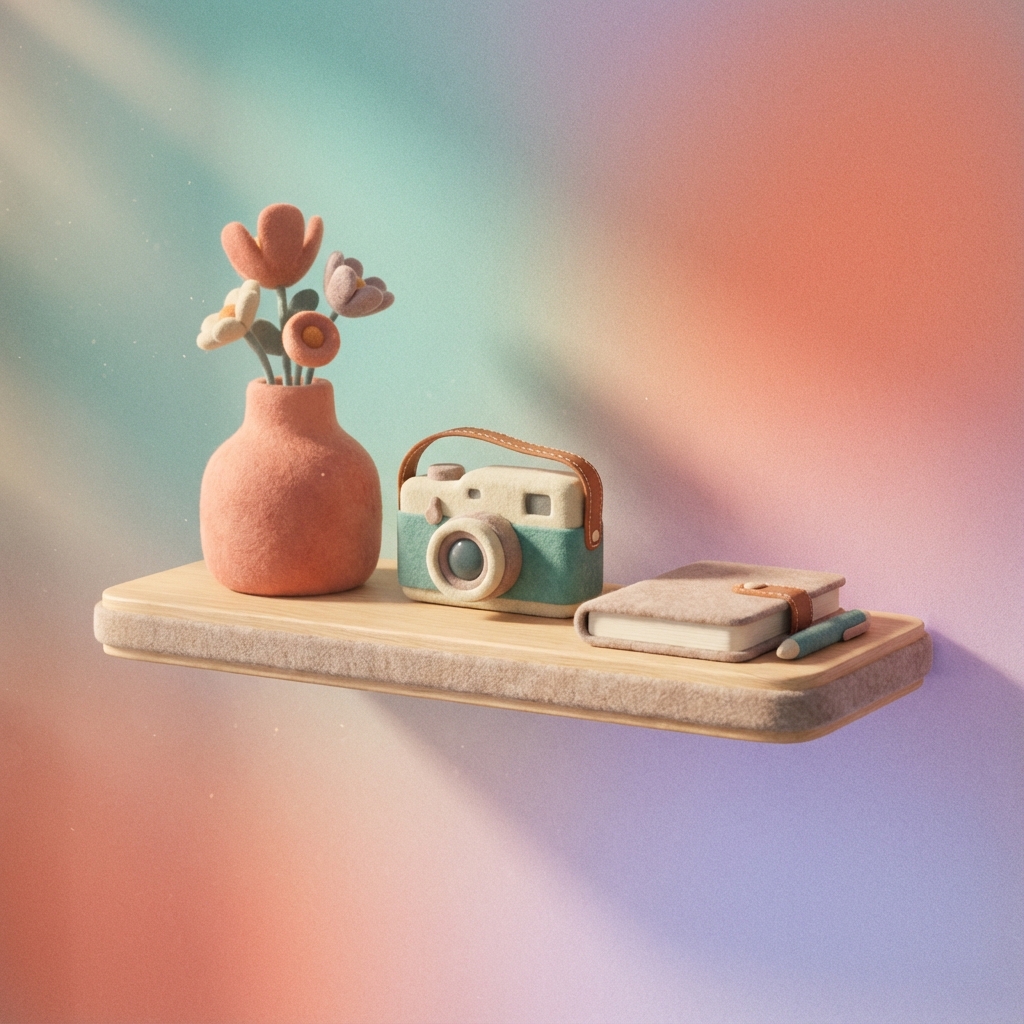
Founders Niko Dafkos and Paul Firmin began with a market stall in London Fields, selling "best in category" independent brands like Hay and Ferm Living.
"Working with best-in-category became the playing field for us." — Earl of East
Why this works for Indies:
- Taste as a Moat: By curating, you define your aesthetic and attract your tribe before you take the manufacturing risk.
- The "Add-On" Pivot: Their own candle line started as a small side item. Once trust was established, they flipped the script, and their own products became the main draw.
- Financial Safety: You aren't sinking $20k into R&D for a product nobody wants. You are "bankrolling" your learning phase with retail revenue.
2. Creative Operations: The Engine Under the Hood
"Creative Operations" sounds like corporate jargon. But for a solopreneur or small team, it's the difference between burnout and brilliance.
It's not just about "posting content." It's about building a supply chain for your brand's voice.
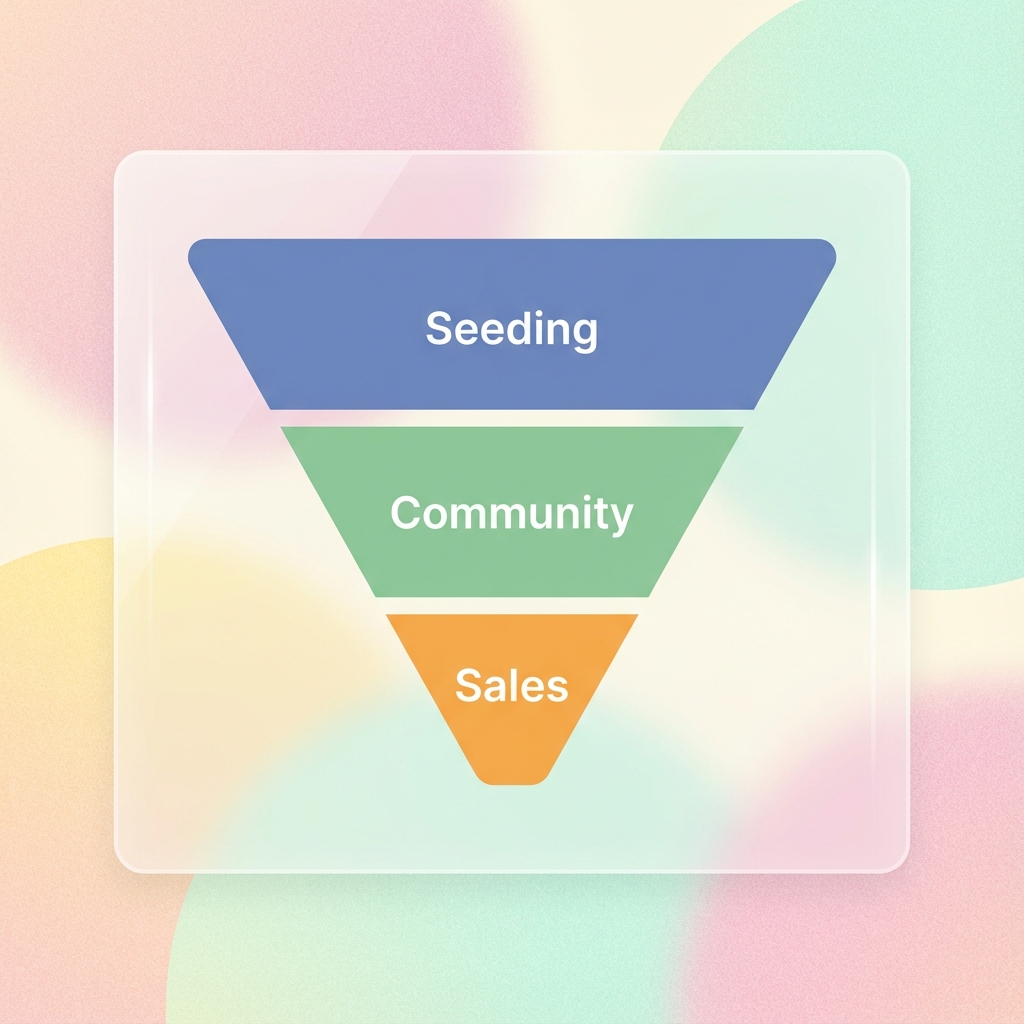
The Funnel Reimagined
Oren John from Air breaks down how modern premium brands attack the funnel:
- Top (Awareness) - Seeding: The shoe brand Pain World didn't run ads. They "seeded" (gifted) products to people with genuine taste. No brief, no contract. Just specific people wearing the product. The result? Organic cool that money can't buy.
- Middle (Affinity) - Community: Brands like Outlier push customers to Reddit and Discord. They let the community define the culture.
- Bottom (Conversion) - Personal Sales: Hol Sales started by DMing people about specific vintage jackets. That high-touch, personal sales process is the premium experience.
3. The "Drop" vs. The "Evergreen" Paradox
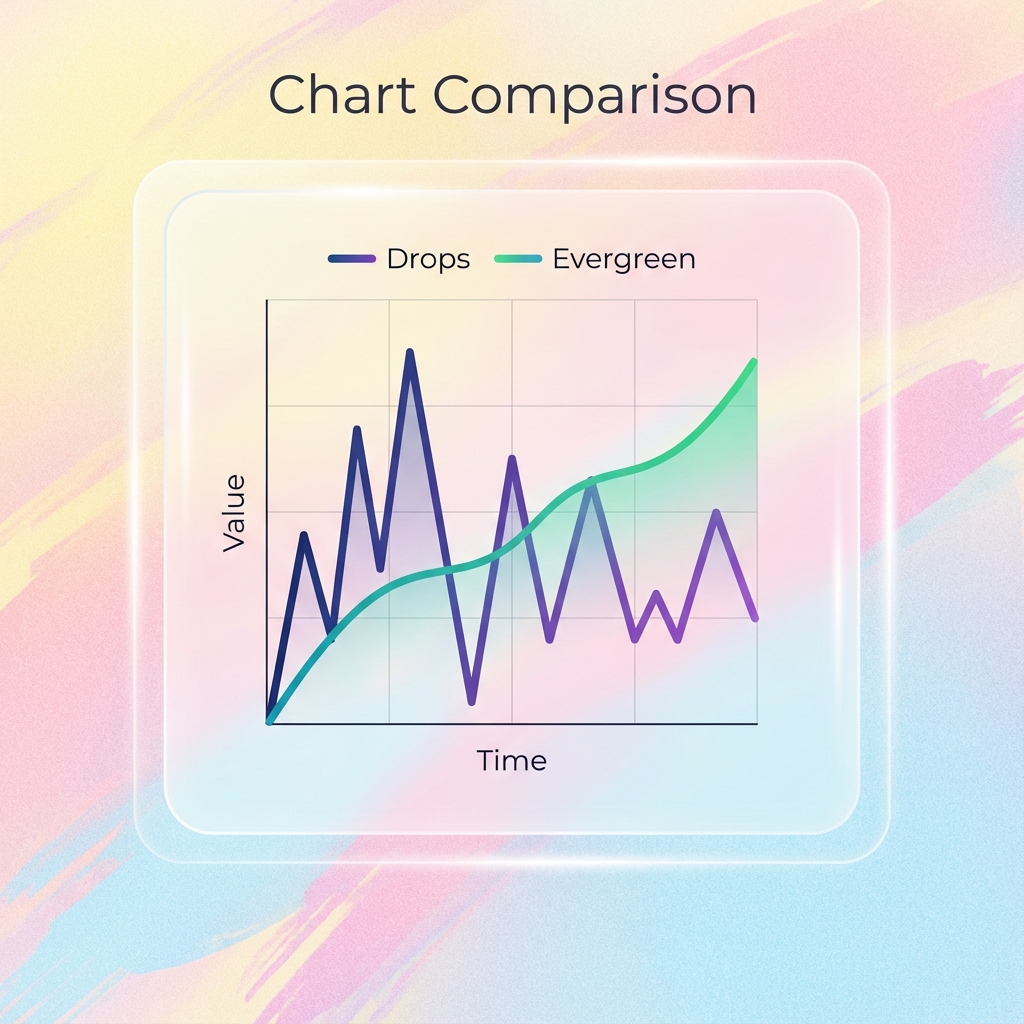
We all love the hype of a "Drop." Sold out in minutes! taking the site down!
The mature indie strategy is:
- The Drop: Use it for chronological storytelling and hype spikes.
- The Evergreen: Build a core collection that is always available. This is your "rent payer."
"Make a video every day or make 1,000 videos, and your 1,000th video will be good because you just figure out what works." — About Blank Founder
Volume leads to quality. You cannot "think" your way to a premium content strategy; you have to "publish" your way there.
4. The 4-Pillar Content Framework
Stop waking up and asking, "What should I post today?" That is a recipe for mediocrity. Premium brands use pillars.
Structure your creative output into these four buckets:
- Educational: How-to guides, deep dives (like this article!).
- Aspirational/Mood: High-aesthetic visuals that set the tone. No sales pitch, just vibes.
- Product/Feature: The specific details—fabric, software features, ingredients.
- BTS/Process: Show the messy, human side. The packing, the coding, the coffee.
5. Reactive Content: The "No" Matrix
When Taylor Swift drops an album, or a new meme format takes over X, should your brand jump in?
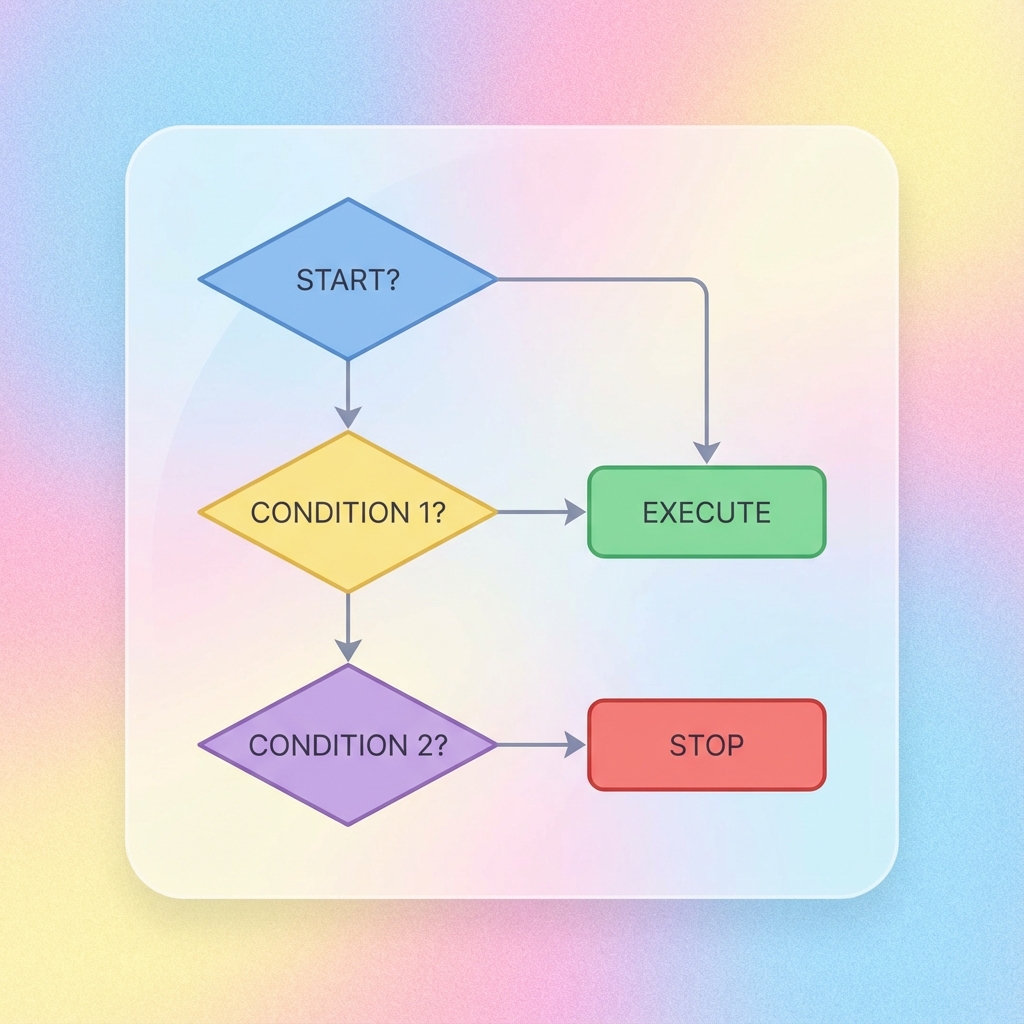
Premium brands protect their signal-to-noise ratio. Before you react to a trend, run it through this matrix:
- Does my customer actually care? (Or is it just marketing twitter?)
- Do we have a unique "lens"? (Can we add value, or just noise?)
- Can we execute at quality speed? (A bad meme 2 days late is fatal).
If you answer "No" to any of these, stay silent. Silence is confident.
🏝️ The Indie Island Approach
Building a premium brand isn't reserved for luxury conglomerates. In fact, indies have the advantage. We are smaller, faster, and more human.
To start your journey:
- Curate First: Build a Digital Nomad Portfolio or a mood board that defines your taste.
- Systematize: Use Automation Tools to handle the boring stuff so you can focus on the creative ops.
- Seed: Get your work into the hands of people you respect, not just people with big follower counts.
Your brand is an island. Make it a destination worth visiting.
Ready to streamline your own creative ops? Check out our guide on Automating Your Indie Business.
Tags
Stay updated
Get the next drop in your inbox
We only send thoughtful dispatches. Unsubscribe anytime.
Join the list