

Let's be honest: most of us didn't start an indie business to work more hours than we did at our 9-to-5. We started for freedom. We wanted to work from a cafe in Lisbon, a beach in Bali, or just our own couch without a boss breathing down our necks.
Instead of freedom, we've built ourselves a "job we can't quit." If you stop coding, the product stalls. If you stop tweeting, the traffic drops. If you don't answer that support email within 30 minutes, the churn spikes. You aren't the business owner; you're the bottleneck.
If this sounds like you, it's time to shift your mindset from "Hustler" to "Architect."
In this guide, we're taking the enterprise-grade scaling philosophies of Alex Hormozi and shrinking them down to fit the indie hacker backpack. Here is your 5-step roadmap to automating your indie business and reclaiming your time.
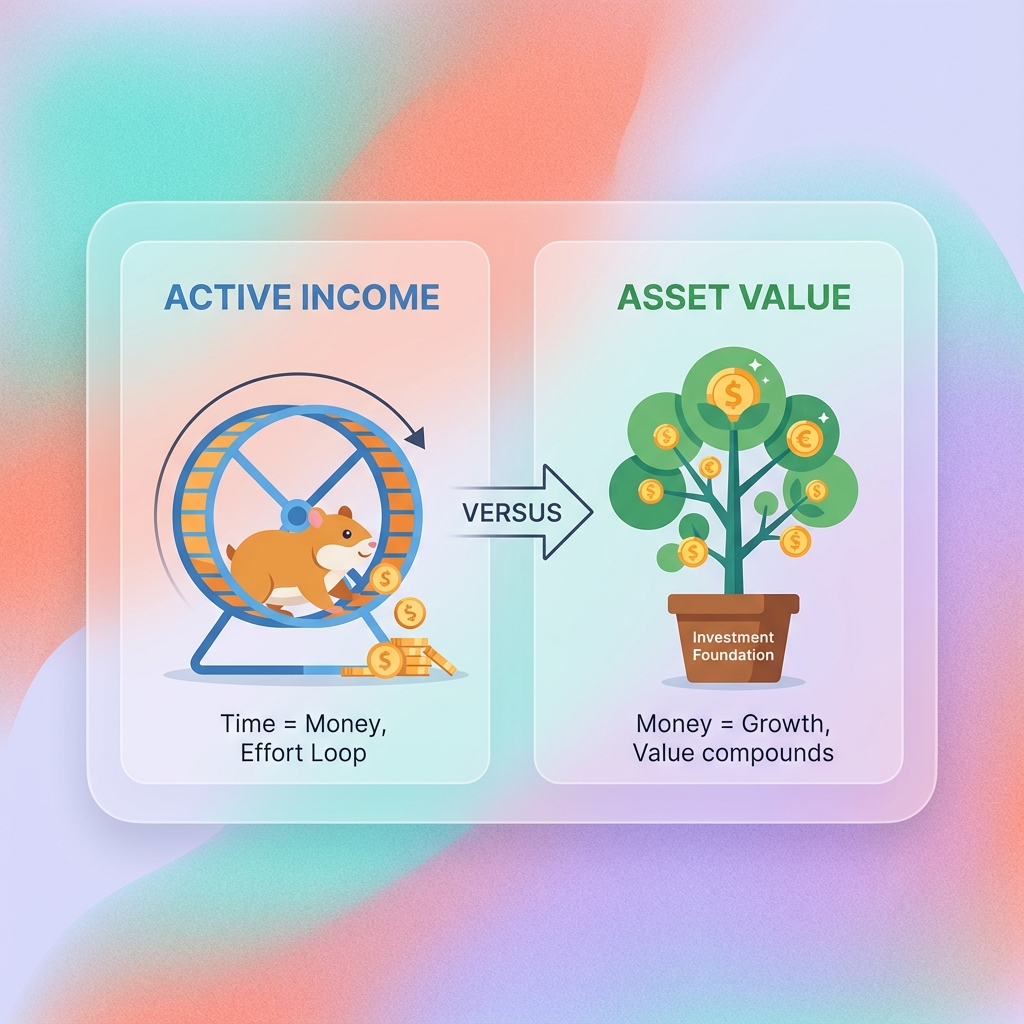
The Mindshift: Income vs. Asset
- Frustrated Fred makes $200k/year but works 80 hours a week. If he leaves for a month, the income goes to zero.
- Wealthy William owns a business that makes $200k/year but requires 0 hours of his time.
Even if you never plan to sell your SaaS or agency, building it as if you were going to sell it is the secret to actually enjoying it. It forces you to build an asset that serves you, rather than a master you have to serve.
Step 1: The Radical Time Inventory
You cannot automate what you cannot see. Most indie hackers think they know where their time goes ("mostly coding, some marketing"), but they are usually wrong.
To escape the "doing" trap, you need cold, hard data.
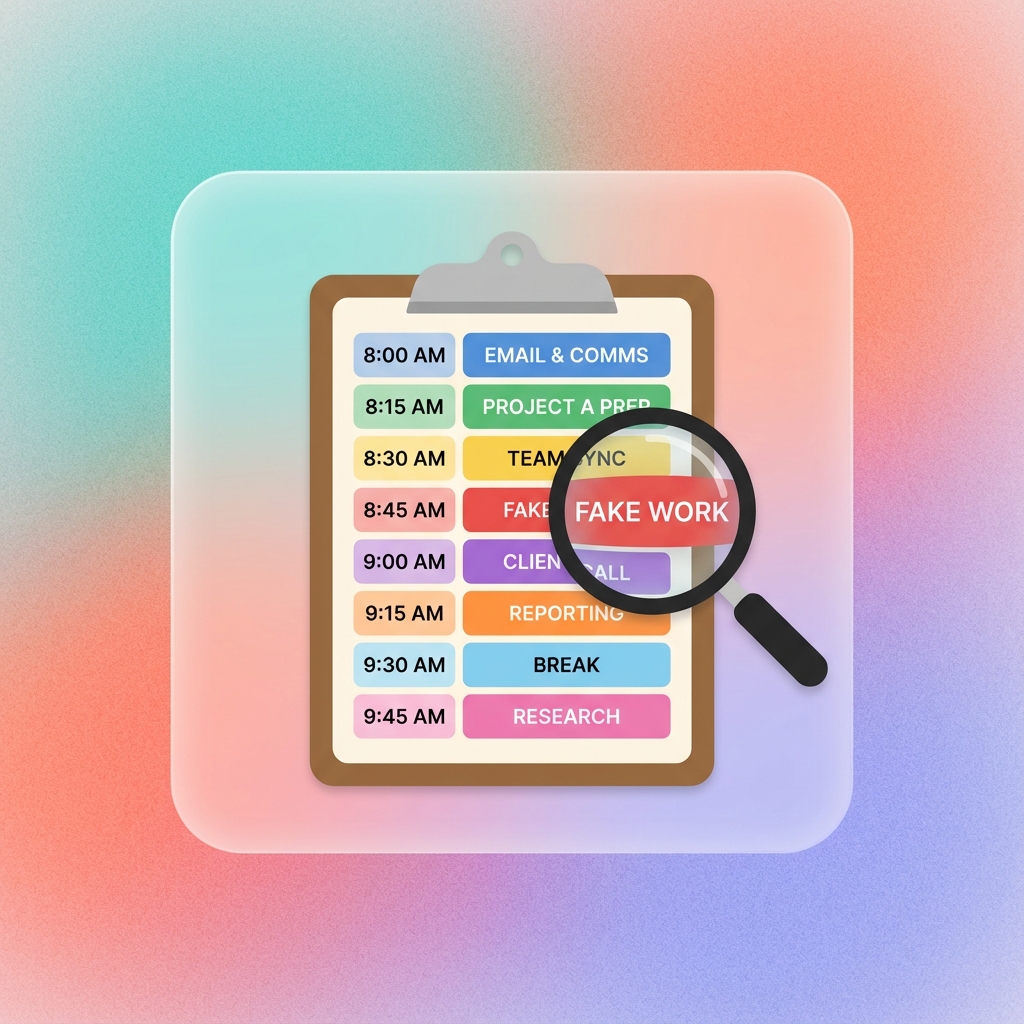
The 3-Day Time Study
- Set a timer for every 15 minutes.
- Write down exactly what you did in that block. Be granular.
- Bad: "Worked on marketing."
- Good: "Replied to Tweet from @user123."
- Good: "Tweaked CSS on landing page button."
- Do this for 3 days.
Yes, it's annoying. Yes, it feels like "meta-work." But it will likely be the most productive week of your life simply because you're watching yourself.
Step 2: Red, Yellow, Green
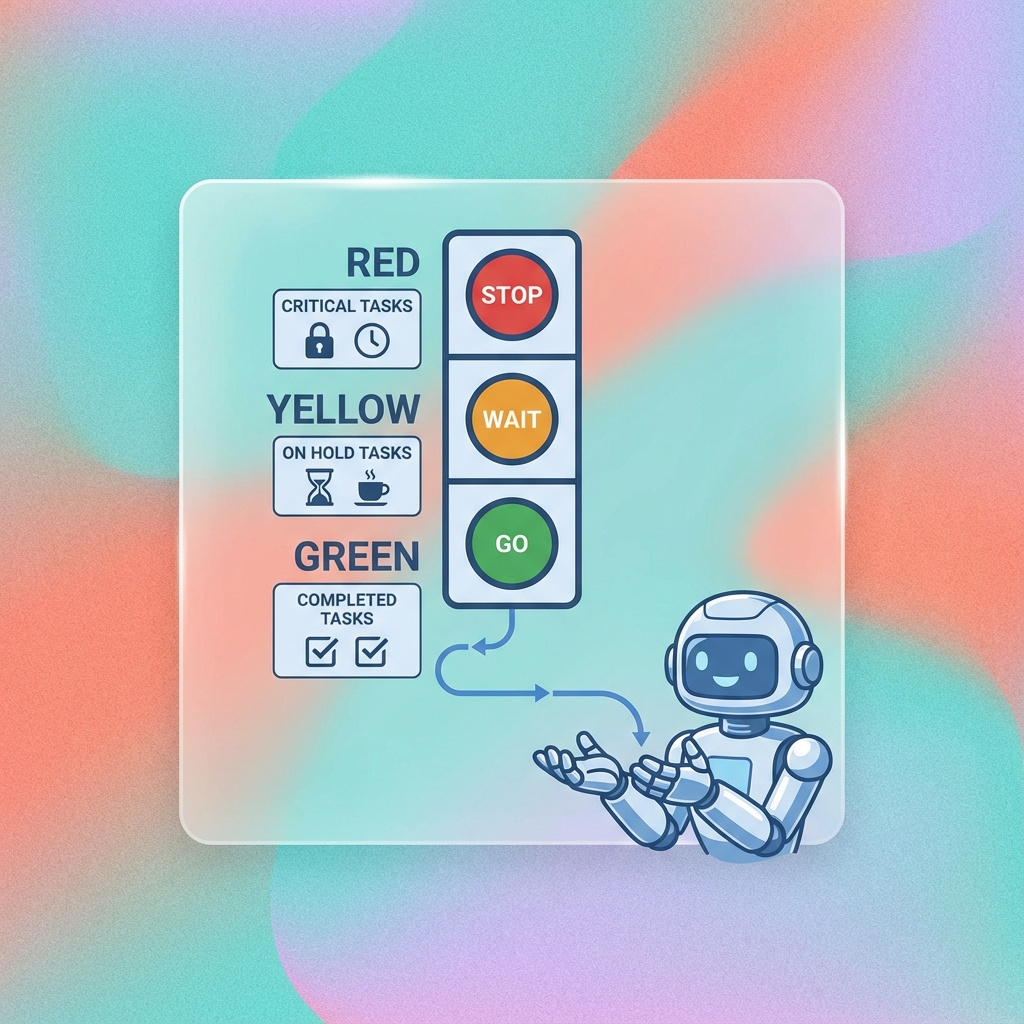
Once you have your list of hundreds of tasks, grab three highlighters (or use tags in Notion):
- 🟢 Green (Delegate/Automate): Tasks that are repetitive, low-skill, or easily taught. (e.g., "Exporting CSVs," "Manual data entry," "Answering FAQ emails").
- 🟡 Yellow (Needs Process): Tasks you could hand off, but you haven't documented how yet.
- 🔴 Red (Keep/High Skill): Strategic work only you can do (e.g., "Designing the new feature architecture," "Recording a founder story video").
Step 3: Automate Decisions (Not Just Tasks)
This is where most solopreneurs get stuck. They hire a VA or install an AI bot, but they still get pinged 50 times a day with questions: "Hey, should we refund this guy?" "What do I do if the server throws Error 502?"
You haven't automated the business; you've just amplified the noise.
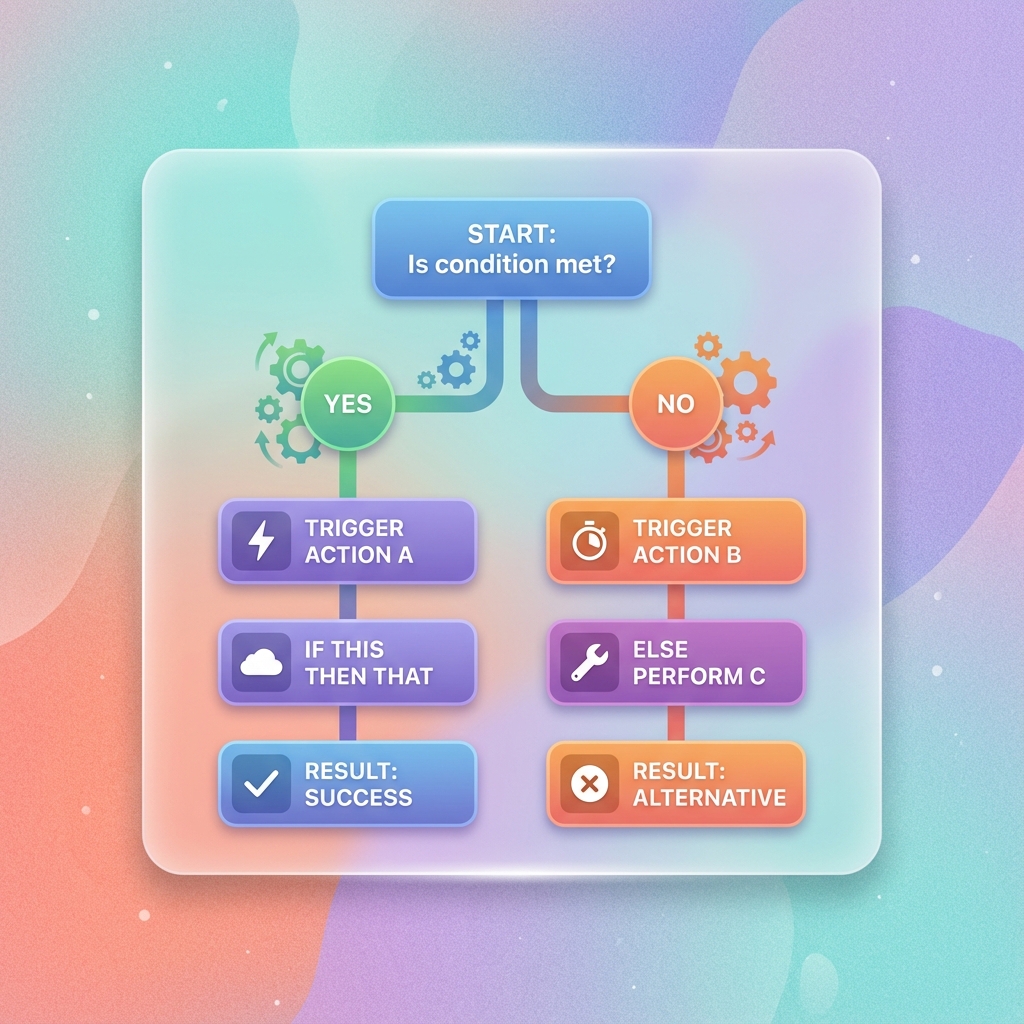
You need to turn your judgment calls into binary rules.
- Old Way: "Ask me if a customer complains."
- New Way (The Rule): "IF the refund request is under $100 AND the account is <30 days old, THEN grant it immediately. ELSE, flag for review."
By creating these "Decision Trees," you move from being the Referee (who has to watch every play) to the Rule Maker (who writes the rulebook and walks away).
Step 4: The "No-Face" Marketing Engine
"But I have to do marketing! People buy from me!"
You can automate trust-building by creating systems that generate content from your community:
- The Screenshot Dragnet: Set up a system (or a bounty for a VA) to screenshot every nice thing anyone says about you on Twitter, Reddit, or Email. Compile these into a "Wall of Love" weekly.
- Lifecycle Content: Did a user just hit a milestone? Automate an email asking for a quote. "Congrats on your 100th sale! How did it feel?" -> Boom, instant case study.
- Incentivized Reviews: Offer a free month of your Pro plan in exchange for a 60-second video walkthrough.
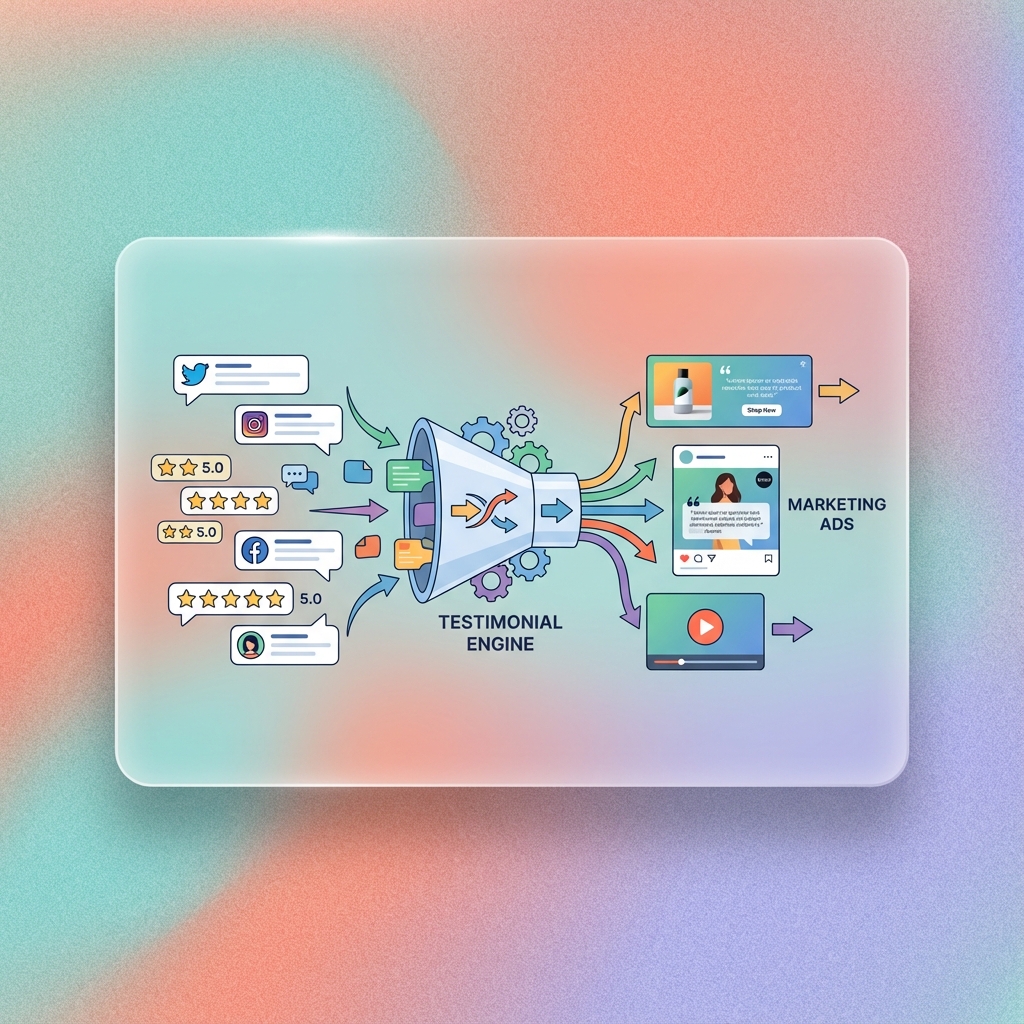
This creates a marketing machine that runs on user success, not founder charisma.
Step 5: The Ultimate "Phone Test"
Leave your laptop and phone at home. Go to the beach (or the park) for 24 hours.
- If you panic: You have anxiety to address (and probably a lack of monitoring tools).
- If the business burns down: You've identified a hole in your system. That's good data! Fix it.
- If it grows: Congratulations. You are now Wealthy William.

Start Small, Scale Big
Pick the thing you hate doing most—that weekly invoice reconciliation, that repetitive support ticket—and apply this framework. Document it. Create a rule for it. Hand it to a script or a person.
Then, stand on the shore of your Indie Island and breath in the salt air. That's the smell of freedom.
Ready to build your system?
Tags
Stay updated
Get the next drop in your inbox
We only send thoughtful dispatches. Unsubscribe anytime.
Join the list