

You can have the best code in the world, the cleanest architecture, and the most innovative features. But if you can't articulate why it matters, you will lose to someone who can.
For digital nomads and indie hackers, clear communication isn't just a "soft skill"—it's a revenue multiplier. Whether you are crafting a landing page, updating an investor, or explaining a delay to your co-founder, your ability to structure your thoughts determines your success.
The Foundation: Your Inner Album of Greatest Hits
Before you even worry about how to speak, you need to know what to speak.
Think about your favorite musician. You don't go to their concert to hear them improvise random notes. You go to hear the hits. The songs they have played thousands of times.
- Identify your 8-10 "Content Pillars" (e.g., Remote Work, bootstrap economics, mental clarity).
- Write about them relentlessly until you have a "Greatest Hit" version of that idea.
- When asked a question on a podcast or in a meeting, pivot to one of your hits.
Example: If someone asks Alex Hormozi about "skills", he doesn't just list random skills. He pivots to his polished "Greatest Hit" about emotional regulation: "The single greatest skill is the ability to stay in a great mood in the absence of things to be in a great mood about."
It sounds genius because it's rehearsed.
The PAS Framework (The Micro-Story)
Most indie hackers make the same mistake. They build a cool tool and immediately start shouting about the solution.
"Look! It uses AI to optimize database queries!"
The problem? Nobody cares about your solution until they feel the pain of the problem. You need to short-circuit their brain with a story.
- Problem: State the relatable pain point. "Your database queries are slowing down your app."
- Amplify: Twist the knife. Show the cost. "Slow apps lose 40% of users. That's churn you can't afford. You'll remain a wantrepreneur forever if you can't retain users."
- Solution: Now you present the fix. "Our AI optimizer fixes this automatically."
By the time you get to the solution, your audience is begging for it.

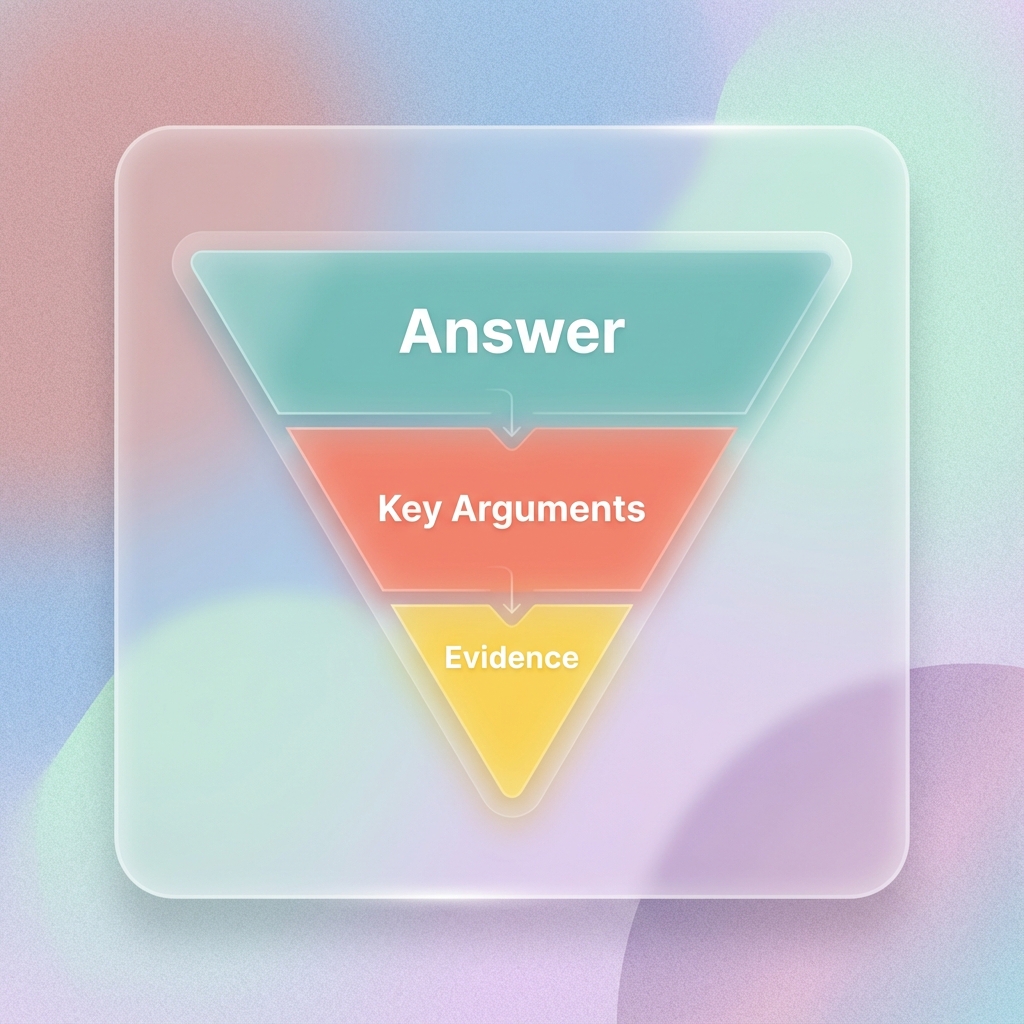
The Pyramid Principle for Clarity
In the world of async work, getting to the point is a sign of respect. When you send a Loom video to your team, do you ramble for three minutes before getting to the main point?
- Top (The Answer): Start with the conclusion. "We are delaying the launch by 48 hours."
- Middle (Key Arguments): Why? "We found a critical bug in the payment gateway."
- Bottom (Evidence): The data. "Here are the logs and reproduction steps."
This "Answer First" approach signals confidence. It tells your team (or your investors) that you know exactly what is happening and you aren't hiding the ball.
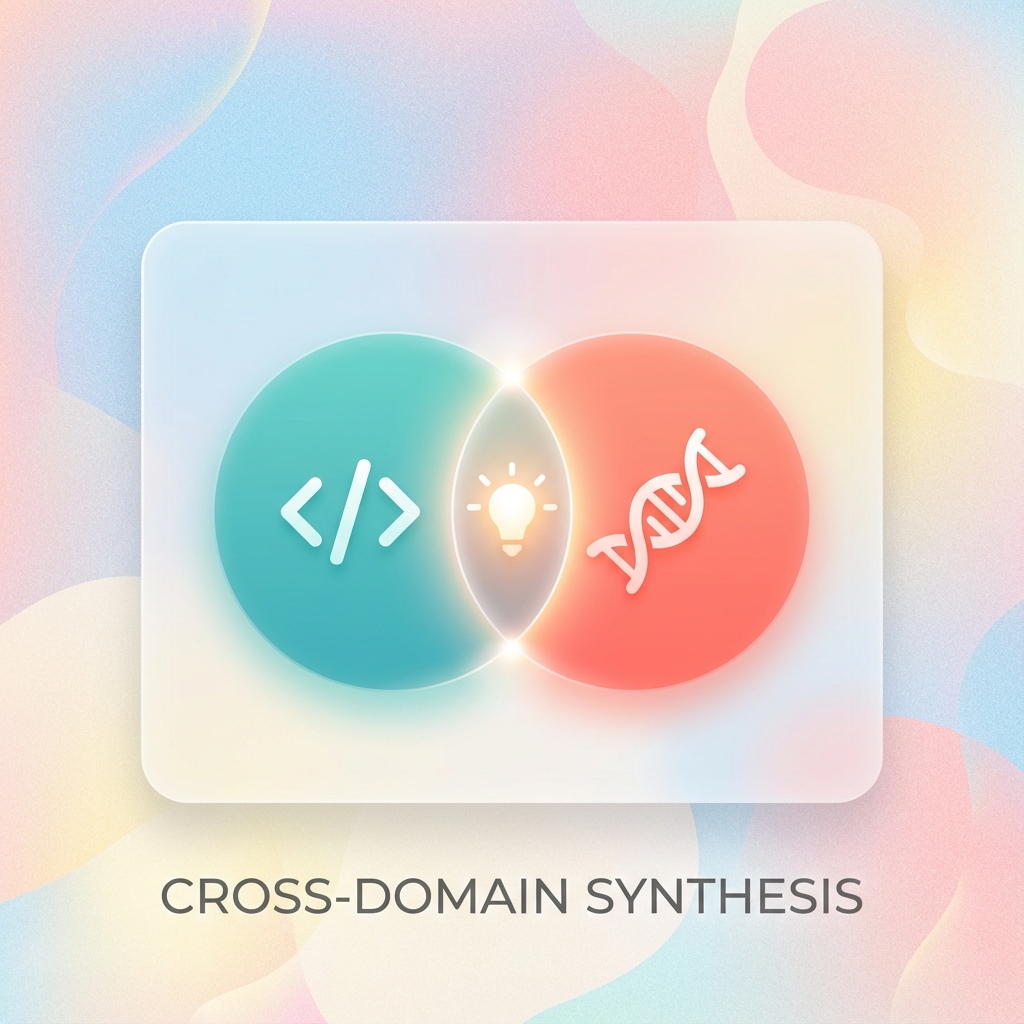
Cross-Domain Synthesis
This is the secret weapon for building a "Niche of One."
If you are just a "React Developer," you are a commodity. But if you are a "React Developer who understands Evolutionary Biology," suddenly you are interesting.
- Physics x Productivity: Explain "Distraction" using the concept of Entropy. (Disorder increases over time unless energy is applied).
- Finance x Coding: Explain "Refactoring" using the concept of Compound Interest.
This doesn't just make you sound smarter; it teaches your audience something new while validating your core point.
Hunting for Ideas
You can't articulate if you have nothing to say. You need to become a hunter.
- Hunt: Find the insight.
- Capture: Jot it down immediately.
- Refine: Rewrite it in your own words using the frameworks above.
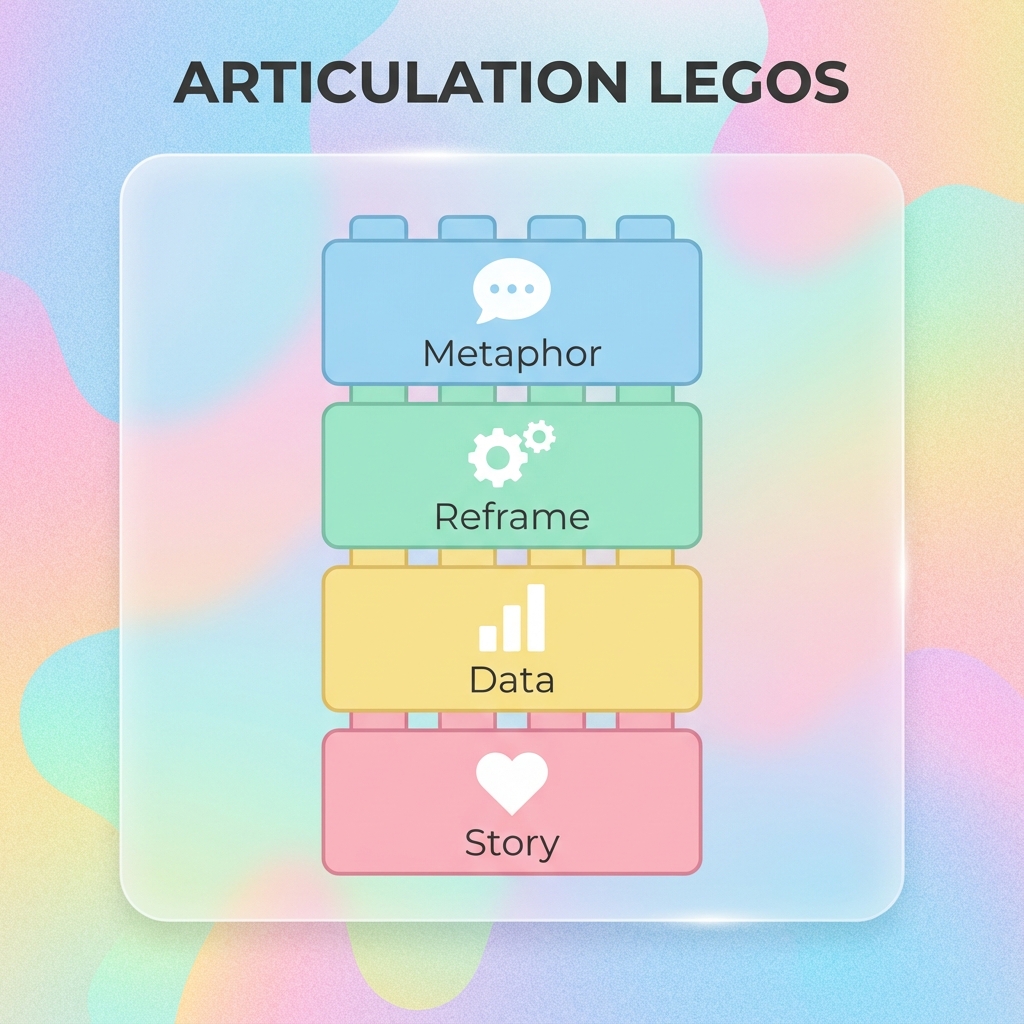
Breaking Writer's Block with Articulation Legos
Staring at a blank page is the enemy of shipping. Writing is just "Legos with ideas." If you get stuck, grab one of these blocks to build your next sentence:
- The Pain Point: Start with what hurts.
- The Example: Ground your theory. " For example, when I launched my first SaaS..."
- The Metaphor: "Explain it like I'm 5." (e.g., "APIs are like waiters in a restaurant").
- The Credibility Statistic: "Research shows that..."
- The Quote: "As Alan Watts said..."
- The Reframe: Flip the perspective. "Failure isn't the opposite of success; it's part of success."
- The Question: Ask "Why?" or "How?" to prompt your own thinking.
Your Turn to Speak
Articulation is a muscle. You don't get better at it by reading; you get better by doing.
Your ideas are too good to stay locked inside your head. Let them out.
Tags
Stay updated
Get the next drop in your inbox
We only send thoughtful dispatches. Unsubscribe anytime.
Join the list